
We Need a Solution to Plastic Waste. This Might be It! (Or Is It?)
 A river in Jakarta choked with plastic waste – via plastic-pollution.org
June 2019
It’s no secret that globally, people with the least money suffer more plastic waste pollution. We’ve all seen the photos of boats paddling down rivers of plastic waste. Now, a clever solution to plastic waste might just work, all over the world!
 In the Philippines, there is a place called Manila Bay. It was called “toilet bowl” because you couldn’t see the bay under the piles of plastic waste washed up onto the shoreline. Now, it’s transformed -it’s unrecognisably clean compared to a few months ago.
What brought about this transformation? Well, on the surface, it looked any other big beach cleanup – 5,000 people picked up more than 45 tons of rubbish. But it was the beginning of a nation-wide environmental rehabilitation campaign.
Fishermen are of course badly affected by rubbish in the water. Declining fish stocks mean less food for everyone.
 Manila Bay – before and after, via wheninmanila.com
In some countries, people are paid to collect rubbish – I’ve personally seen it work very well in South Africa, for example.
But in the Philippines, as part of this solution to plastic waste, fishermen were paid in cryptocurrency, or digital money. Few fishermen have bank accounts, so this reward system seems to work well. Local businesses are encouraged to accept the cryptocurrency, or the fishermen can exchange their reward for cash.
But where does all the plastic waste come from? (It’s interesting).
Where Does the Plastic Waste Come From?
It’s grossly unfair that so many people around the world who have contributed little to emissions, now suffer some of the worst effects of climate change.
But when it comes to plastic waste, although it comes from all over the world, people living in poverty generate a surprising amount of waste.
When you don’t know where your next meal is coming from, you can’t afford the luxury of choosing a product with less plastic packaging. You buy only what you can afford. There are no handy facilities like kerbside rubbish collection for the poor, so much plastic waste lies on the streets, in rivers and in the sea.
In other words, people living in poverty are often both the source AND the victims of plastic waste.
The Inspiration
The inspiring part of this programme is that it is being coupled with education.
The waste in Manila Bay was so bad that it turned the water toxic.
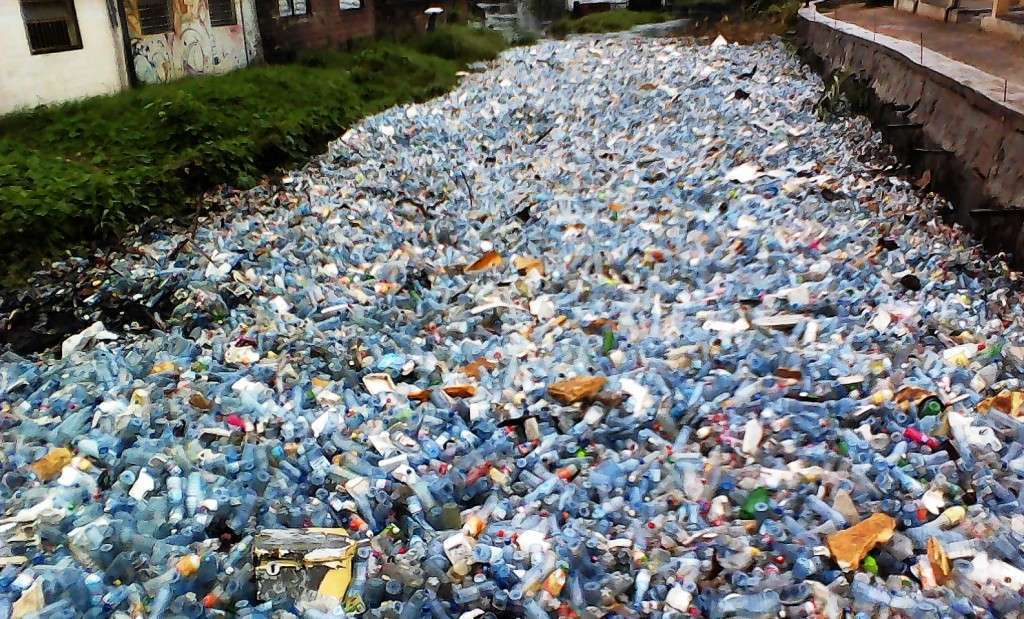 A river in Congo via WasteAid
And of course, removing the rubbish helps. (Although there’s still much work to be done to rehabilitate the water).
But fishermen are learning that if they recycle their plastic waste BEFORE it becomes rubbish, they benefit. A cleaner environment means not only cleaner water, but also in the long run, more fish.
And that means that this program is better than a normal beach cleanup, which only solves the problem temporarily. Some time later, there’s a whole new pile of garbage needing to be picked up again.
This program means that, hopefully, plastic waste will get recycled before it pollutes our oceans.
What About The Cost?
 Well, there’s more good news here. People who pick up the plastic waste get paid more than the minimum wage in the Philippines.
But the operation costs so much less when no third parties are involved.
For example, the initial Manila Bay cleanup cost $700 (£550). The same results using the official government programme would have cost over $10,000.
That’s astonishing!
Is It the Best Solution?
In my opinion, no. In the longer term, we have to stop using plastic, and especially single-use disposables.
This solution relies on Recycling. But Reduce and Reuse are always preferable.
But this is a great way to encourage people to be part of their own solutions, to offer cheaper cleanups, and to help protect the environment in the shorter term. Hopefully we’ll see more of it around the globe!

Please Share this post – it’s easy – sharing buttons below and right!
What do you think? Let me know in the comments below.
Warm regards,

P.S. Don’t forget to download your free climate change report here!